Detroit beat in 2026 as a free for-profit template for Yn Jay style tracks
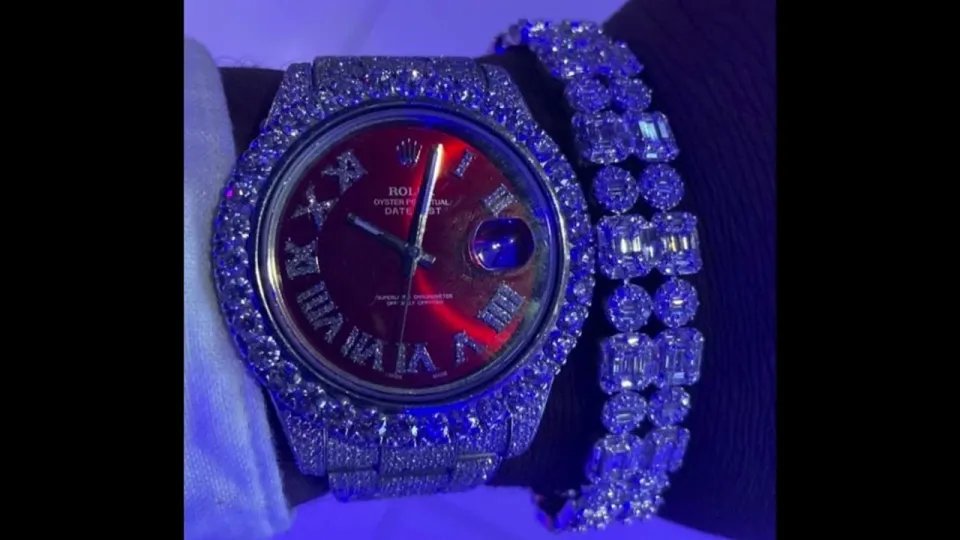
Video: [FREE] Detroit Type Beat X Yn Jay Type Beat - "Kakashi"
You can order the same kind of articles for your own video to boost it on YouTube and Google. Just message the Telegram bot @sat_sit_bot. Articles with your video embedded are written and posted by the bot itself — on popular topical sites (no ads). Try it free: 50 articles on us.
· based on the channel MillyBeats
Key takeaways
- Detroit beat is a sample-driven, dark and fast trap subgenre tied to Michigan rap and artists like Yn Jay and the Flint scene.
- MillyBeats released the free Detroit type beat "Kakashi" on April 25, 2024, and it has since been sold.
- The beat sits between Detroit and Flint type beats, with a sample loop, hard drums and room for freestyle verses.
- Free for-profit tags let independent artists release tracks on streaming without paying upfront, but the license is non-exclusive.
- The purchase link in the video description points to BeatStars checkout at https://bsta.rs/vRf56K.
A Detroit beat is a sample-driven trap instrumental built around dark loops, punchy 808s and fast hi-hat patterns, and it is the backbone of the modern Michigan rap sound associated with artists like Yn Jay. The free Detroit type beat "Kakashi" by MillyBeats, published on April 25, 2024, is a good reference point for the style, and the producer's checkout page for it is available at the BeatStars purchase link, which now shows the beat as sold.
What defines a Detroit beat in the Yn Jay lane
A Detroit beat is less about one fixed BPM and more about a mood: murky samples, clipped vocal chops, heavy low end and drums that leave space for dense, conversational rapping. The style grew out of Michigan rap culture, where producers flip soul, funk and movie-score loops into short, repeating phrases and then push the drums hard enough to carry a freestyle. Yn Jay's catalog made this sound recognizable far outside Detroit, and the Flint scene pushed it further with faster tempos and more aggressive 808 work.
In practice, a Detroit type beat usually has four ingredients:
- A sampled or sample-like loop, often filtered and slightly detuned, that repeats with small variations.
- A hard kick-and-808 combination that anchors the low end without crowding the vocal pocket.
- Fast hi-hat rolls and occasional open-hat accents that give the track forward motion.
- A simple arrangement: intro, loop, drop, short bridge, back to the loop, so a rapper can record a full verse structure quickly.
"Kakashi" follows that template. The title references the Naruto character, which fits the anime-and-internet naming culture common in type beat catalogs, and the tags on the upload place it next to Detroit sample type beats, Yn Jay type beats and Flint type beats.
Free for-profit Detroit type beats and what the license means
A free for-profit Detroit type beat is an instrumental an artist can download and release commercially without paying upfront, but the producer keeps ownership and the license is non-exclusive. That last point matters: the same beat can be licensed to multiple artists, so a track built on it is not exclusive to one release. Producers usually cap streaming numbers, require credit in the title or description, and offer a paid exclusive upgrade if the song starts to perform.
For a rapper working in the Yn Jay style, free for-profit beats are a low-risk way to test a flow. The trade-off is that the beat can appear on other artists' songs, and some distributors ask for written permission before they approve a release. Reading the license file attached to the download is the step most artists skip and later regret.
How "Kakashi" fits the Detroit and Flint type beat market
The "Kakashi" upload sits at the intersection of Detroit and Flint type beats, which is a deliberate choice by MillyBeats. Detroit type beats tend to lean on darker, slower sample loops, while Flint type beats push faster tempos and harder drum patterns; a beat tagged for both can serve a wider range of rappers. The video description is short and direct: the beat has been sold, which means the free download is no longer the current offer.
That status changes how the beat should be used. A sold beat is typically licensed exclusively to one buyer, so a new artist cannot simply download it and release a track on streaming. The purchase link remains useful as a reference for the producer's catalog and for the license terms that applied when the beat was available.
Reading the comments as a map of how rappers use these beats
The comment section under "Kakashi" is effectively a live demo of what people do with a Detroit beat: they write verses. Several comments are full 8-to-16-bar written raps in English and Spanish, covering trap themes like coming up from the trenches, loyalty, street life and family. Others are short reactions asking how the beat sounds or praising the mix.
That pattern tells you something practical about the genre. Detroit beats are freestyle-friendly because the loop is repetitive and the drums are predictable enough to ride. If you are writing to a beat like this, the common approach is:
- Start with a four-bar intro line that sets the tone before the drums fully land.
- Keep verses conversational, with short phrases and internal rhymes rather than long melodic runs.
- Use the hook slot for a repeated phrase, not a sung chorus, unless the beat has a clear melodic switch.
- Leave the last two bars of each section open so the ad-libs sit without fighting the vocal.
Common questions about buying and using Detroit type beats
Most confusion around Detroit type beats is about licensing rather than music. Artists want to know whether a free for-profit beat can go on Spotify, whether a sold beat can still be used, and how to credit the producer. The short answers: free for-profit licenses usually allow streaming with limits and credit requirements; a sold beat is normally exclusive and off-limits for new releases; and credit should follow whatever the license file specifies, typically producer name in the track title or description.
A second cluster of questions is about sound selection. Producers and rappers ask whether a Detroit beat needs a sample, what BPM range works, and how Flint differs. Samples are common but not mandatory, tempo usually sits in a range that supports fast hi-hats and clear 808 slides, and Flint tends to be faster and more aggressive than the darker Detroit lane.
Where to find more beats from MillyBeats
The producer behind "Kakashi" is MillyBeats, and the channel is the main place to hear new Detroit and Yn Jay style instrumentals as they drop. Because the "Kakashi" beat has been sold, the practical move is to browse the current catalog rather than wait for a restock, and to check each upload's description for the license type before writing. Type beat channels usually publish new free for-profit beats regularly, so following the channel keeps a steady supply of instrumentals in the same lane.
Final take
A Detroit beat is a sample-driven, drum-heavy trap instrumental that gives rappers room for dense, conversational verses, and the Yn Jay and Flint scenes made that sound a global reference point. "Kakashi" by MillyBeats is a clean example of the template, and its sold status is a reminder that free for-profit type beats are temporary offers, not permanent licenses. Artists who want to release a track on a beat like this should confirm the license terms before recording and keep a credit line ready. For the original beat and its checkout page, start at the BeatStars link from the video and then browse the MillyBeats channel for currently available instrumentals.
Source: [FREE] Detroit Type Beat X Yn Jay Type Beat - "Kakashi" · Markdown version
Questions & answers
Can I release a song on a free for-profit Detroit type beat?
Usually yes, but only under the terms of the free for-profit license attached to the download. That license is non-exclusive, often caps streams or sales, and normally requires producer credit. Check the file before you upload to distributors.
The Kakashi beat is marked as sold, can I still use it?
A sold beat is typically licensed exclusively to one buyer, so a new release on it is not allowed. The purchase link remains useful for reference, but you should pick a currently available beat from the same producer instead.
What BPM and structure should a Detroit type beat have?
There is no single required BPM, but the style favors tempos that support fast hi-hat rolls and clear 808 slides, with a short loop-based structure of intro, drop, verse loop and bridge. The goal is a repetitive pocket a rapper can freestyle over.
How is a Flint type beat different from a Detroit type beat?
Flint type beats tend to be faster and more aggressive, with harder drum patterns and more clipped vocal chops. Detroit beats often lean darker and slightly slower, built on murky sample loops, though the two scenes overlap heavily in sound and audience.